
How to Measure Room for Furniture? Complete Guide, Steps, Tips & Layout Planning
Knowing how to measure a room for furniture helps you choose pieces that fit comfortably and create a balanced layout. Wrong furniture placement can make a room feel cramped or chaotic. Whether you’re redecorating or moving into a new home, accurate measurements can save you time and money.
In this article, we will guide you on “how to measure room for furniture”, through the measurement process, clear steps, practical tips, and layout planning strategies. We will introduce useful tools to make planning your home or office a breeze.
How to Measure Room for Furniture?
To measure a room for furniture, follow these steps.
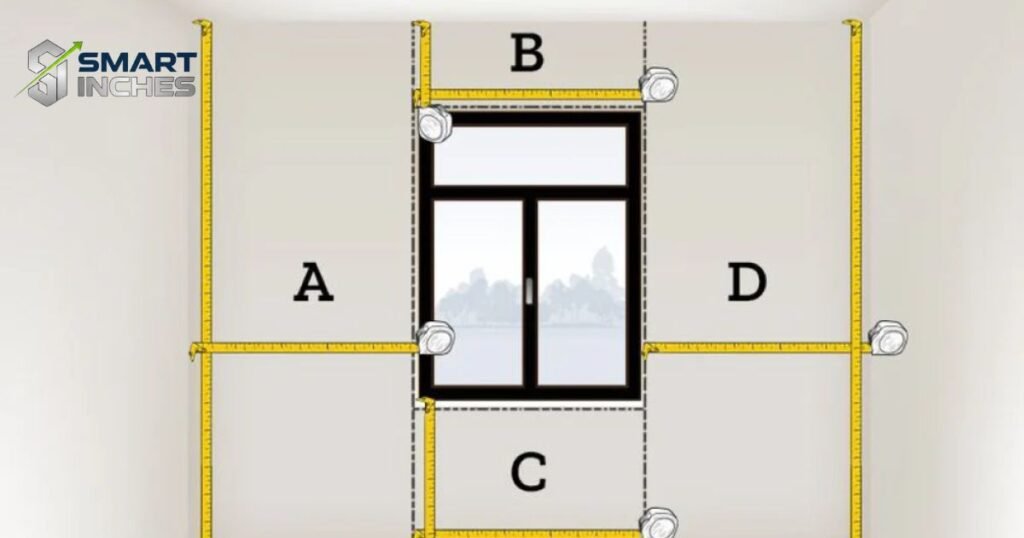
- Measure Full Length and Width: Start by measuring the room’s full length and width. This gives the overall dimensions to work with.
- Ceiling Height Matters: If you’re considering tall furniture, note the ceiling height as well.
- Record Wall Dimensions: Accurately record all wall dimensions.
- Record Usable Floor Space: Focus on the space you can actually use. Exclude fixed elements such as columns or radiators, as they can limit your layout options.
- Measure Furniture Dimensions: When you find furniture you like, measure its height, width, and depth. This helps you know how much room your new piece will take up.
- Compare Sizes: Check the furniture dimensions against the usable space in your room. Ensure it won’t overwhelm the area or look too cramped.
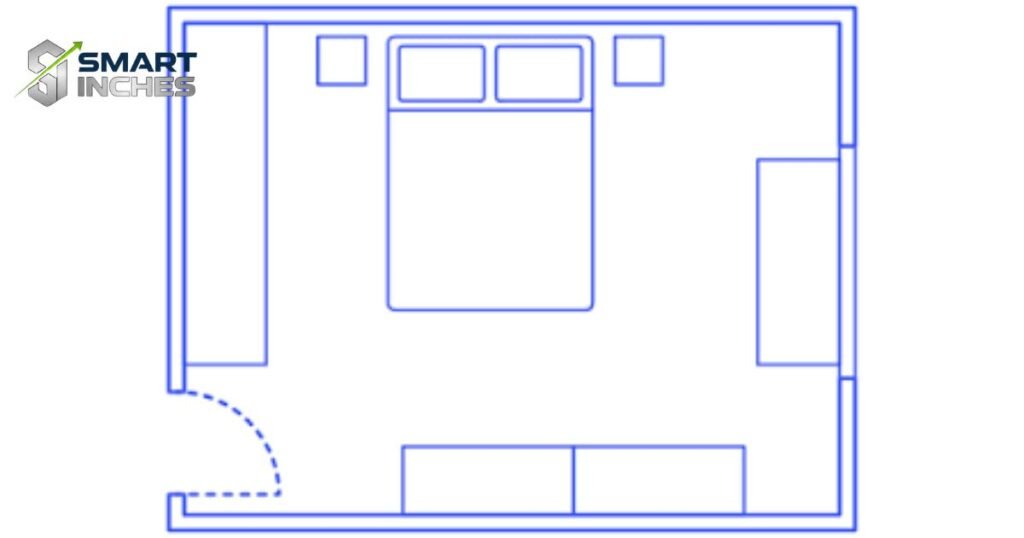
- Leave Clearance Space: It’s important to leave at least 2 to 3 feet of clearance around furniture for comfortable movement.
- Check Door Openings: Make sure doors can open freely, and walking pathways are clear.
- Sketch It Out: Draw a simple floor plan. Mark where you plan to place each piece of furniture. This visual aid helps you see potential issues before moving anything.
- Avoid Blocked Zones: Steer clear of placing furniture near windows or doors. This ensures easy access and maintains natural light in the room.
- Consider Aesthetic Balance: Think about how your furniture will look together in the room. A well-balanced layout can enhance function and beauty.
Room Size vs Furniture Size Chart
| Room Size | Sofa Size | Bed Size |
| 10×10 ft | Loveseat | Full |
| 10×12 ft | 3-Seater | Queen |
| 12×16 ft | Sectional | King |
Standard Room Measurements
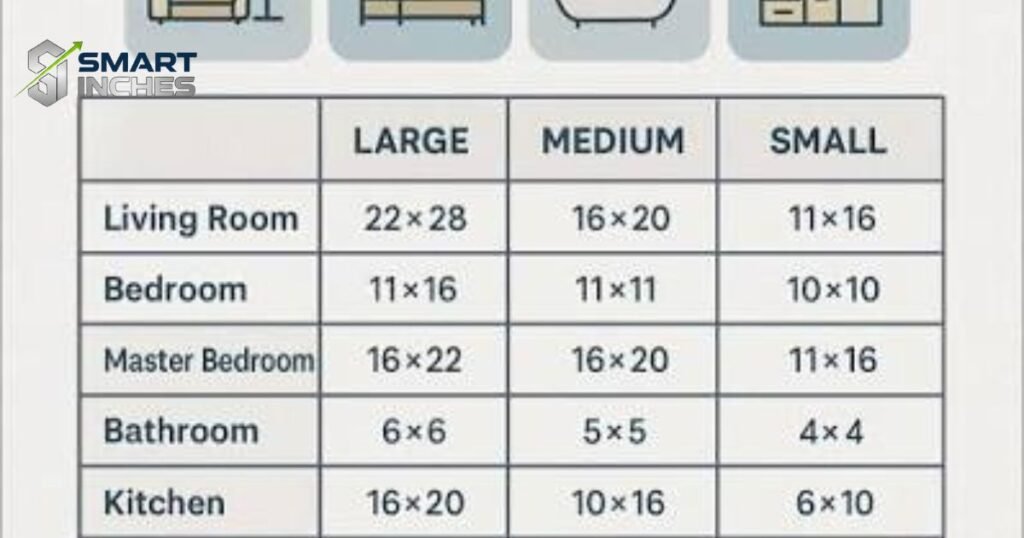
Typically, a standard bedroom measures around 10×12 feet or 120 square feet. This size accommodates a bed, nightstands, and a small dresser without feeling cramped. A master bedroom often stretches to 14×16 feet. Living rooms generally range from 12×18 feet to 14×20 feet. If you’re planning a home office, aim for at least 10×10 feet. This size allows for a desk, chair, and shelving without overcrowding.
| Room Type | Standard Size |
| Small Bedroom | 8×10 ft to 10×10 ft |
| Medium Bedroom | 10×12 ft to 12×14 ft |
| Master Bedroom | 12×16 ft to 14×18 ft |
| Small Living Room | 12×14 ft |
| Standard Living Room | 14×18 ft to 16×20 ft |
| Small Kitchen | 8×10 ft |
| Standard Kitchen | 10×12 ft to 12×15 ft |
| Bathroom | 5×7 ft to 8×10 ft |
| Dining Room | 10×12 ft to 12×14 ft |
| Home Office | 8×10 ft to 10×12 ft |
| Hallway Width | 3–4 ft (comfortable passage) |
| Ceiling Height | 9–10 ft (standard homes) |
Tools Needed for Room Measurement
Measuring a room accurately is key to planning any redesign or renovation. Here are the tools you need to measure a room accurately.
- Measuring Tape: A steel measuring tape is essential for accurate wall measurements. It allows you to measure straight and curved surfaces easily.
- Laser Distance Meter: For precise measurements, a laser distance meter is a game-changer. It can measure several feet with just a click.
- Notebook or Paper: Always have a notebook handy to jot down your measurements.
- Pencil or Pen: Use a pencil or pen to mark your measurements directly on the walls or furniture. This visual cue can make it easier to remember dimensions.
- Smartphone: Take photos of spaces and capture layout ideas.
- Graph Paper: A sketch sheet or graph paper can be invaluable for drawing up your floor plan.
- Calculator: For calculating area, a calculator is a must.
- Masking Tape: Use masking tape to mark points on the floor during measurement. It can help you see how much space furniture will occupy.
Step-by-Step Room Measurement Process
To start measuring your room accurately, first clear the space to allow easy movement and visibility. This creates a clutter-free environment and makes measurements quicker and more precise. Next, choose a fixed corner as your reference point. This will keep all measurements consistent.
Measure the wall length from your starting corner to the opposite corner. Once you’ve done that, measure the opposite wall to verify the room’s width. Record the positions of doors and windows along with their distances from your reference point. If there are built-in structures such as wardrobes or niches, measure those as well. Always sketch these details immediately so you don’t forget any specifics.
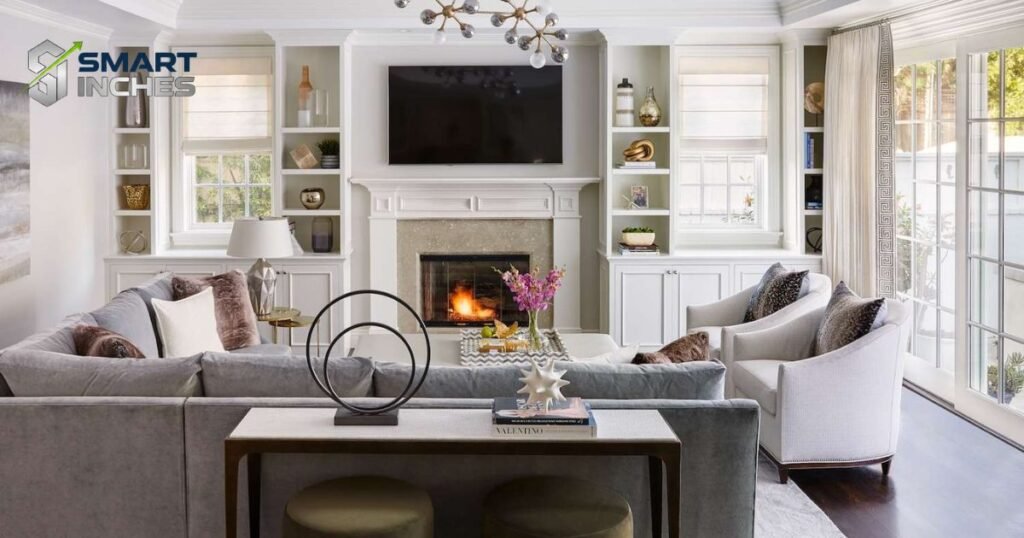
For rooms that aren’t perfectly rectangular, measure the diagonals to confirm irregular shapes. Finally, double-check all your values for accuracy. Convert your measurements into a simple floor plan layout.
How to Measure Space for Furniture Placement
Measuring space for furniture placement is essential for a functional layout. Start by measuring the full usable floor area of the room. Note the exact length and width to ensure you account for any architectural features such as recesses or protruding walls. Next, take precise measurements of the furniture you plan to use. This includes height, width, and depth.
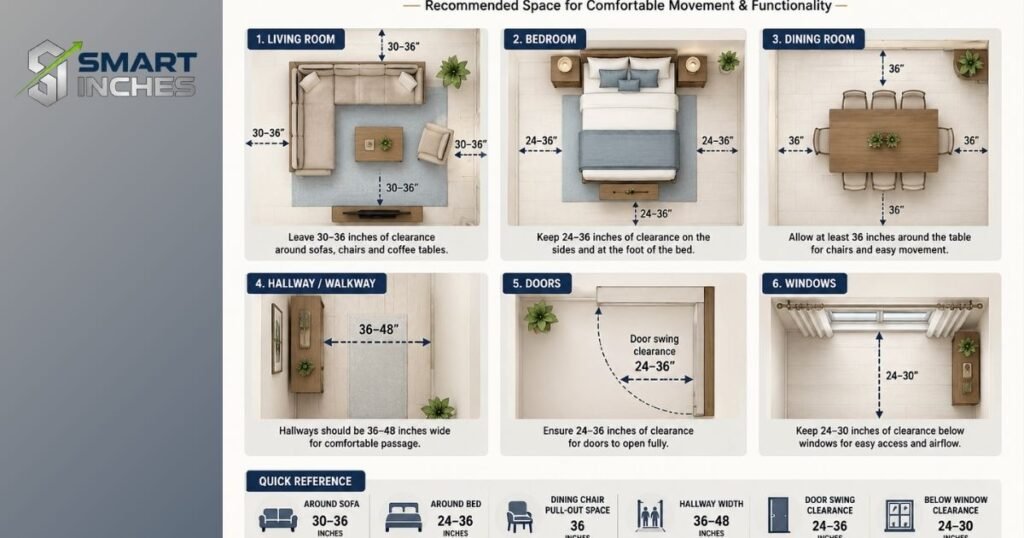
When comparing furniture size to available space, leave at least 2 to 3 feet of clearance for walking. Pay attention to how doors open and the space they require when fully swung. Mark potential furniture placement points on a simple floor sketch. Ensure there’s ample space between pieces to avoid a cluttered look, and never block windows, doors, or ventilation areas.
Common Mistakes to Avoid
When measuring a room for furniture, avoid these mistakes.
- Measuring Only One Wall: A common mistake is to measure just one wall. Each wall can differ in length. Measure all walls to create an accurate picture of the room.
- Ignoring Door and Window Placement: Door and window placement affect usable space. A beautiful couch won’t fit if it blocks a door, or curtains can’t be drawn.
- Forgetting Clearance Space for Movement: It’s essential to leave space for movement around furniture.
- Mixing Units: Stick to one unit of measurement, whether it’s feet or inches. Mixing them can lead to errors and confusion.
- Not Measuring Diagonals in Irregular Rooms: Always measure diagonals to get an accurate assessment. This helps in understanding the true dimensions and avoiding fitting issues.
- Assuming Furniture Will “Fit by Eye”: Trusting your eye can lead to costly mistakes. Before buying furniture, double-check your measurements. Use painter’s tape to outline the dimensions on the floor.
Tips for Accurate Room Measurement
For accurate room measurement, follow these practical tips.
- Always measure each wall twice to ensure accuracy. Sometimes, a small mistake can lead to larger errors later on.
- Opt for a steel measuring tape or a laser meter, as they provide precise readings.
- Keep the measuring tape straight while measuring. A bent tape can lead to inaccurate results.
- Measure from corner to corner to avoid guesswork.
- Record all measurements right away to avoid forgetting any details.
- Stick to one unit of measurement, whether feet or meters, throughout the process.
- For the most precise results, measure an empty room. Furniture can obstruct accurate measurements and lead to missed dimensions.
- Don’t forget to include doors, windows, and fixed structures. These elements can affect space utilization and design plans.
- For rooms that aren’t perfectly rectangular, check diagonal measurements as well. This can help identify any irregularities in the layout.
- Hold off on rounding numbers during the measurement phase. Exact figures will provide a better foundation for your project and minimize future adjustments.
Real-Life Uses of Room Measurement
Room measurement is essential for various real-life situations, such as home design, furniture placement, and renovations. Here are some of the most common real-life uses of room measurement.
- Buying Furniture That Fits Properly: Accurate room measurements ensure that your new sofa or bed fits perfectly in the designated space.
- Planning Room Layout: Before diving into interior design, sketching a layout based on room measurements helps in visualizing how furniture will interact.
- Renovation and Remodeling: When planning renovations, knowing the exact dimensions helps in predicting how much material you’ll need.
- Estimating Storage Capacity: Accurate room measurements assist in maximizing storage space. Calculating how many shelves or wardrobes fit without cramming the area can lead to a more efficient and enjoyable living space.
- Office Space Planning: In a home office, measuring for desks and workstations ensures each piece fits perfectly.
Conclusion
Measuring room for furniture is essential to create a comfortable space. By following the simple steps outlined in this guide, you can ensure that your furniture fits perfectly. Remember to measure not just the dimensions of your room, but also consider doorways and windows.
With careful planning, you can arrange your room nicely. It also helps ensure that everything fits well in your space. Accurate measurements can save you from future headaches and extra costs. With just a few simple tools and steps, you can get the right dimensions. So, take your time to measure carefully. Your home deserves the best setup!
FAQs
How to Take Room Measurements?
To take room measurements, start from one fixed corner of the room. Use a tape measure to find the length of the wall directly opposite that corner. Make sure to stretch the tape measure straight to get an accurate reading. Next, measure the width of the room. Again, begin from the same corner and measure the wall that is perpendicular to the first length measurement.
When Measuring a Room, What Comes First?
When measuring a room, start with a fixed reference corner. This means choosing one corner of the room to begin. From there, measure the longest wall first. This gives you a solid base for the rest of your measurements.
What is the Easiest Way to Measure Room Space?
Measuring room space can be simple with a few basic steps. Start by measuring the length and width of the room. Note these numbers down accurately. Then, draw a quick rectangle layout of your room on a piece of paper. Multiply the length by the width to find the floor area. If your room is not a rectangle, break it into smaller sections. Measure these smaller areas, calculate their space, and then add all the sections together.
Can I Measure a Room Without Tools?
Yes, you can measure a room without using any tools by using your footsteps. First, walk across the room and count your steps. On average, one step is about 2.5 feet. You can multiply the number of steps you took by 2.5 to get the length of the room. You can also compare the room size with standard objects. For example, consider the size of a bed, tiles, or furniture.
How to Measure Room Size with a Phone?
You can measure a room using your phone with the augmented reality (AR) apps. These apps use your camera to determine distances in real time. First, download an AR measuring app from your app store, such as Measure or Magicplan.
To measure, point your phone camera along the wall edges. Start by marking the starting point on the wall, and then move your camera to the end point. The app will automatically calculate the distance for you.