

Standard Wheelchair Dimensions: Complete Guide With Facts, Visuals, Charts, & Examples
Wheelchairs are vital for many people for independence. Not all wheelchairs are created equal. Choosing the right wheelchair can make a big difference in comfort and mobility. Standard wheelchair dimensions play a significant role in ensuring that the chair fits properly.
In this article, we will explore standard wheelchair dimensions, facts, visuals, and charts to understand wheelchair sizes. We will also discuss “how wide is a wheel chair” and other essential measurements that matter in selecting a wheelchair. Whether you are a user, caregiver, or healthcare provider, understanding these dimensions is useful.
Wheelchair Standard Size Dimensions
When choosing a wheelchair, knowing the standard wheelchair dimensions is essential.
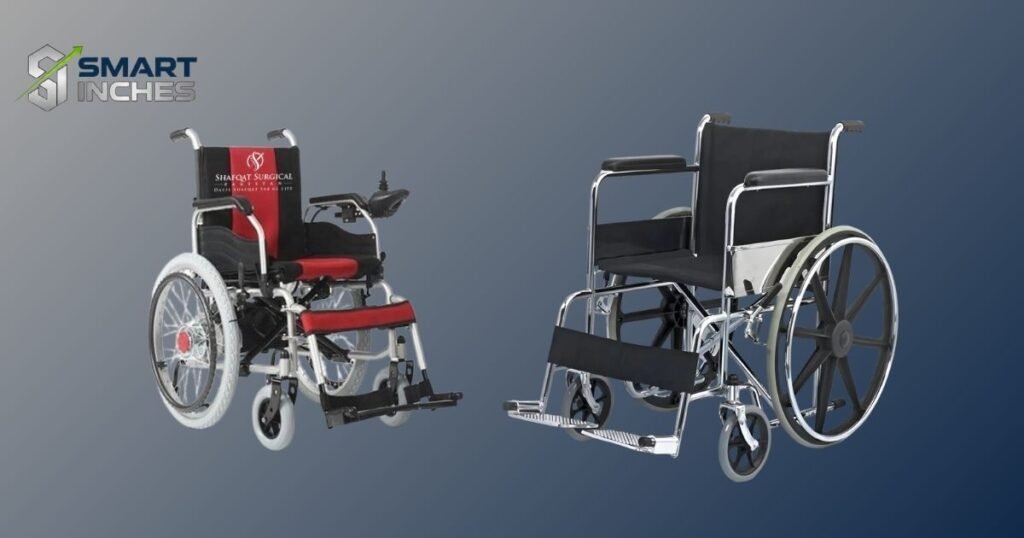
| Standard Wheelchair Feature | Standard Wheelchair Dimensions inInches | Standard Wheelchair Dimensions cm | Standard Wheelchair Dimensions in m | Standard Wheelchair Dimensions in mm |
| Standard Wheelchair Width (how wide are wheelchairs) | 24–27 in | 61–69 cm | 0.61–0.69 m | 610–690 mm |
| Wheelchair Seat Width | 16–20 in | 41–51 cm | 0.41–0.51 m | 410–510 mm |
| Wheelchair Seat Depth | 16–18 in | 41–46 cm | 0.41–0.46 m | 410–460 mm |
| Wheelchair Seat Height (floor to seat) | 18 in | 46 cm | 0.46 m | 460 mm |
| Wheelchair Backrest Height | 16–20 in | 41–51 cm | 0.41–0.51 m | 410–510 mm |
| Wheelchair Length | 42–43 in | 107–109 cm | 1.07–1.09 m | 1070–1090 mm |
| Overall Height (floor to top of back) | 36 in | 91 cm | 0.91 m | 910 mm |
| Wheelchair Armrest Height | 9–10 in | 23–25 cm | 0.23–0.25 m | 230–250 mm |
| Wheelchair Footrest Height | 7–9 in | 18–23 cm | 0.18–0.23 m | 180–230 mm |
| Wheelchair Wheel Diameter (rear) | 24 in | 61 cm | 0.61 m | 610 mm |
| Wheelchair Wheel Diameter (front/casters) | 8 in | 20 cm | 0.20 m | 200 mm |
How Wide Are Wheelchairs?
Wheelchairs come in different widths to suit various needs. The standard adult wheelchair typically measures between 24 and 28 inches (61 to 71 cm) wide, with the most common size being 26 inches (66 cm). This width is designed to balance comfort and mobility.
Average Wheelchair Width
The average wheelchair width usually ranges from about 24 to 30 inches. Most standard wheelchairs are around26 inches wide. This width is designed to fit through doorways and hallways.
Wheelchair Widths Sizes
Choosing the right wheelchair width for accessibility. Narrow or compact wheelchairs usually range from 22 to 24 inches (56 to 61 cm). They are ideal for tight spaces and great for navigating through doorways and crowded areas.
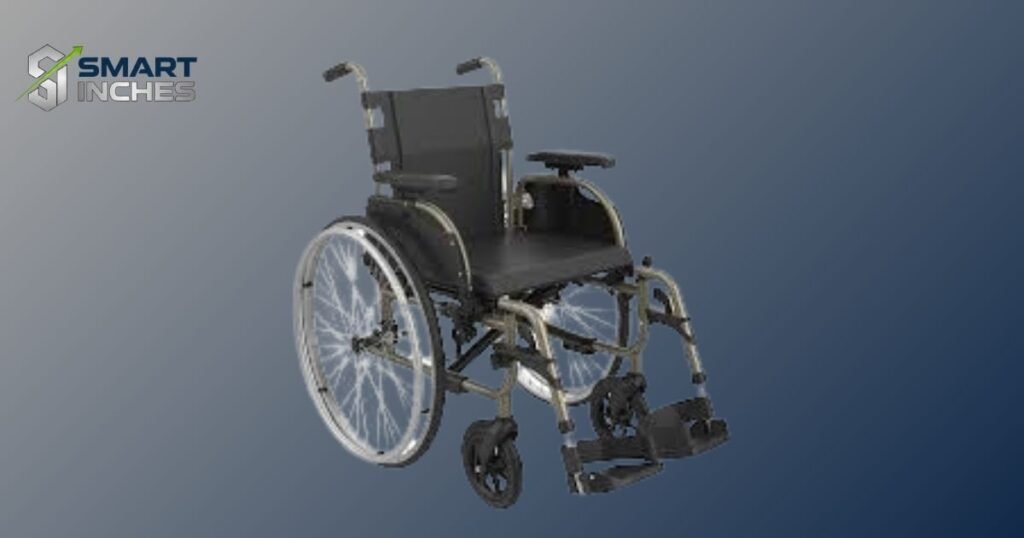
Standard adult wheelchairs are between 24 and 28 inches (61 to 71 cm). This size fits most adults and offers a good balance of comfort and maneuverability. For children, pediatric wheelchairs come in sizes from 18 to 26 inches (46 to 66 cm). These are designed to provide better support for younger users.
Wheelchair Width For Doors
When designing doorways for wheelchair access, the minimum clear width should be 32 inches (81 cm). This allows most standard wheelchairs, which are usually 24 to 28 inches (61 to 71 cm) wide. A more spacious feel, a width of 34 to 36 inches (86 to 91 cm) is recommended. This extra space helps users navigate easily without feeling cramped. For bariatric wheelchairs, it’s more important to have wider doors. A doorway of 36 inches or more is preferred.
Wheelchair Ramp
A wheelchair ramp is a very useful tool for people who use wheelchairs or have difficulty walking. These ramps help individuals access buildings and homes easily. They replace stairs for users to move up and down safely. When building a wheelchair ramp, it’s important to follow specific guidelines. The slope should ideally be 1 inch high for every 12 inches long (1:12 ratio). This means a ramp that rises 1 foot should be 12 feet long. Ramps should also have non-slip surfaces to prevent accidents.

Wheelchair Ramp Specifications
When building a wheelchair ramp, the dimensions and safety features are essential for accessibility. The minimum width should be 36 inches (91 cm), but for comfort and ease of use, a width of 42–48 inches (107–122 cm) is recommended. This space for wheelchairs helps caregivers navigate easily.
According to ADA standards, the maximum slope should follow a 1:12 ratio, meaning for every inch of height, you need 12 inches of ramp length. This ensures a manageable incline. If the rise is greater than 6 inches (15 cm), the ramp must have handrails for added safety.
Width Of Wheelchair Ramp
The width of a wheelchair ramp is vital for safety and convenience. According to the Americans with Disabilities Act (ADA), ramps must be at least 36 inches wide (91 cm). This measurement ensures that most mobility devices can navigate the ramp easily. A comfortable wheelchair ramp width is often recommended to be between 42 and 48 inches (107–122 cm).
If the ramp includes handrails, the width between them should also be at least 36 inches. This measurement helps users move freely. For bariatric use, where larger wheelchairs are involved, a minimum width of 42 inches or more is preferred.
Wheelchair Standard Size
When choosing a wheelchair, knowing the standard size is essential. Most adult wheelchairs have a seat width from 16 to 20 inches. This width fits many people comfortably. If someone is wider, they might need a chair with a seat up to 20 or 22 inches.
The standard chair also has a seat height of about 19 to 20 inches off the ground. This height is designed to help users reach tables and desks easily. The standard depth of the seat is generally 16 to 18 inches.
Wheelchair Sizes Chart
Different wheelchairs come in various sizes to fit different body types. The primary measurements you need to consider are seat width, seat depth, and seat height. Here is a wheelchair sizing chart.
| Wheelchair Part | Wheelchair Dimension Range | Wheelchair Imperial (in / lbs) | Wheelchair Metric (cm/kg) |
| Seat Width | Standard adult sizes | 16 – 20 inches | 40.6 – 50.8 cm |
| Seat Depth | Sitting surface from front to back | 16 – 18 inches | 40.6 – 45.7 cm |
| Seat Height | Floor to seat height | 18 – 20 inches | 45.7 – 50.8 cm |
| Backrest Height | Seat to the top of the back support | 16 – 20 inches | 40.6 – 50.8 cm |
| Armrest Height | Seat to the top of the armrest | 9 – 10 inches | 22.9 – 25.4 cm |
| Footrest Height | Seat to footplate | 14 – 18 inches | 35.6 – 45.7 cm |
| Front Wheel (Caster) Size | Small front wheels | 6 – 8 inches | 15.2 – 20.3 cm |
| Rear Wheel Size | Large back wheels | 20 – 24 inches | 50.8 – 61 cm |
| Overall Width | Widest part of the chair | 24 – 28 inches | 61 – 71.1 cm |
| Overall Length | Front to back | 42 – 48 inches | 106.7 – 121.9 cm |
| Overall Height | Floor to the top of the back | 36 – 40 inches | 91.4 – 101.6 cm |
| Weight Capacity | User weight limit | 250 – 700 lbs | 113 – 318 kg |
| Wheelchair Weight | Total chair weight | 15 – 50 lbs | 6.8 – 22.7 kg |
Pediatric Wheelchair Size Chart
| Wheelchair Types and Sizes | Seat Width | Seat Depth | Seat Height (floor to seat) | Backrest Height | Footrest Height | Overall Width of Wheelchair |
| Infant Wheelchair (1–3 yrs, 26–36 in / 66–91 cm) | 10–12 in (25–30 cm) | 10–12 in (25–30 cm) | 12–14 in (30–36 cm) | 12–14 in (30–36 cm) | 6–8 in (15–20 cm) | 18–20 in (46–51 cm) |
| Toddler Wheelchair (3–5 yrs, 36–42 in / 91–107 cm) | 12–14 in (30–36 cm) | 12–14 in (30–36 cm) | 14–16 in (36–41 cm) | 14–16 in (36–41 cm) | 7–9 in (18–23 cm) | 20–22 in (51–56 cm) |
| Child Wheelchair (5–8 yrs, 42–50 in / 107–127 cm) | 14–16 in (36–41 cm) | 14–16 in (36–41 cm) | 16–18 in (41–46 cm) | 16–18 in (41–46 cm) | 8–10 in (20–25 cm) | 22–24 in (56–61 cm) |
| Pre-Teen Wheelchair (8–12 yrs, 50–60 in / 127–152 cm) | 16–18 in (41–46 cm) | 16–18 in (41–46 cm) | 18–20 in (46–51 cm) | 18–20 in (46–51 cm) | 9–11 in (23–28 cm) | 24–26 in (61–66 cm) |
| Teen Wheelchair (12–16 yrs, 60–66 in / 152–168 cm) | 18–20 in (46–51 cm) | 16–18 in (41–46 cm) | 18–20 in (46–51 cm) | 18–20 in (46–51 cm) | 10–12 in (25–30 cm) | 26–28 in (66–71 cm) |
Wheelchair Measurements
Getting the right wheelchair measurements is essential for comfortable mobility. The seat width should be about 1-2 inches wider than the widest part of your hips. If it’s too tight, it can cause discomfort.
Wheelchair Measurements Chart
| Wheelchair Sizes For Adults | Imperial (in) | Metric (cm) |
| Seat Width | 16 – 20 | 41 – 51 |
| Seat Depth | 16 – 18 | 41 – 46 |
| Seat Height | 18 – 20 | 46 – 51 |
| Backrest Height | 16 – 20 | 41 – 51 |
| Armrest Height | 9 – 10 | 23 – 25 |
| Footrest Height | 14 – 18 | 36 – 46 |
| Front Wheel (Caster) | 6 – 8 | 15 – 20 |
| Rear Wheel | 20 – 24 | 51 – 61 |
| Overall Width | 24 – 28 | 61 – 71 |
| Overall Length | 42 – 48 | 107 – 122 |
| Overall Height | 36 – 40 | 91 – 102 |
| Weight Capacity | 250 – 700 lbs | 113 – 318 kg |
| Wheelchair Weight | 15 – 50 lbs | 7 – 23 kg |
Wheelchair Seat Measurements
When choosing a wheelchair, getting the seat measurements right is essential. The seat width is usually between 16 and 20 inches (41 to 51 cm). The most common width for adults is around 18 inches (46 cm). For children, the seat width can range from 10 to 20 inches (25 to 51 cm).
The seat depth also matters, which typically measures between 16 and 18 inches (41 to 46 cm). This helps support the thighs and reduces pressure on the hips. The seat height, measured from the floor to the seat, falls between 18 and 20 inches (46 to 51 cm).
How Wide Is A Standard Wheelchair?
A standard adult wheelchair typically measures between 24 and 28 inches in width, with 26 inches being the most common size. This width aids in maneuverability and is comfortable for the user. The seat width of these wheelchairs falls between 16 and 20 inches, providing enough space for most adults.
Standard Wheelchair Weight
A standard wheelchair typically weighs between 35 and 50 pounds. This weight can vary based on the materials used and the design of the chair. For instance, aluminum wheelchairs are lighter than steel wheelchairs.
Wheelchair Size Chart Weight
| Wheelchair Type | Wheelchair User Weight Capacity | Chair Weight |
| Standard Adult Wheelchair Weight | 250 – 300 lbs (113 – 136 kg) | 35 – 50 lbs (16 – 23 kg) |
| Lightweight / Transport Wheelchair Weight | 250 – 300 lbs (113 – 136 kg) | 15 – 35 lbs (7 – 16 kg) |
| Bariatric / Heavy-Duty Wheelchair Weight | 350 – 700 lbs (159 – 318 kg) | 50 – 70+ lbs (23 – 32 kg) |
| Pediatric Wheelchair Weight | 50 – 150 lbs (23 – 68 kg) | 15 – 25 lbs (7 – 11 kg) |
Conclusion
Understanding standard wheelchair dimensions is essential for ensuring comfort and mobility for users. These dimensions affect how easily a person can navigate different environments. A well-fitted wheelchair can enhance independence and improve quality of life. It’s also important to consider factors like width, depth, and height when choosing a wheelchair.
FAQs
What are the Dimensions of a Wheelchair?
The overall width of wheelchairs usually ranges from 24 to 28 inches. The seat width is typically between 16 and 20 inches (41 to 51 cm). In length, the overall size is about 42 to 48 inches. The seat depth of a wheelchair is generally between 16 and 18 inches, and the height is around36 to 40 inches.
How Wide is a Wheelchair?
The width of a wheelchair can vary. For a standard adult wheelchair, the width ranges from about 24 to 28 inches (61 to 71 cm), with 26 inches (66 cm) being the most common size. This width is designed for regular use and fits through doorways.
What is the Standard Size of a Wheelchair?
The standard size of a wheelchair depends on its seat width and overall dimensions. The seat width is typically between 16 and 20 inches. Typically, a wheelchair is about 24 to 28 inches wide, around 42 to 48 inches long, and the height is about 36 to 40 inches tall.
How Much Does a Wheelchair Weigh?
A standard adult wheelchair usually weighs between 35 and 50 pounds (16 to 23 kg). These models are strong and designed for everyday use. They provide good support and can handle different terrains.